
Architecture & Landscaping Committee
Information, guidelines, applications, and resources to help SaddleBrooke TWO homeowners plan exterior improvements and maintain their properties.
Preserving SaddleBrooke’s Sonoran Desert Character
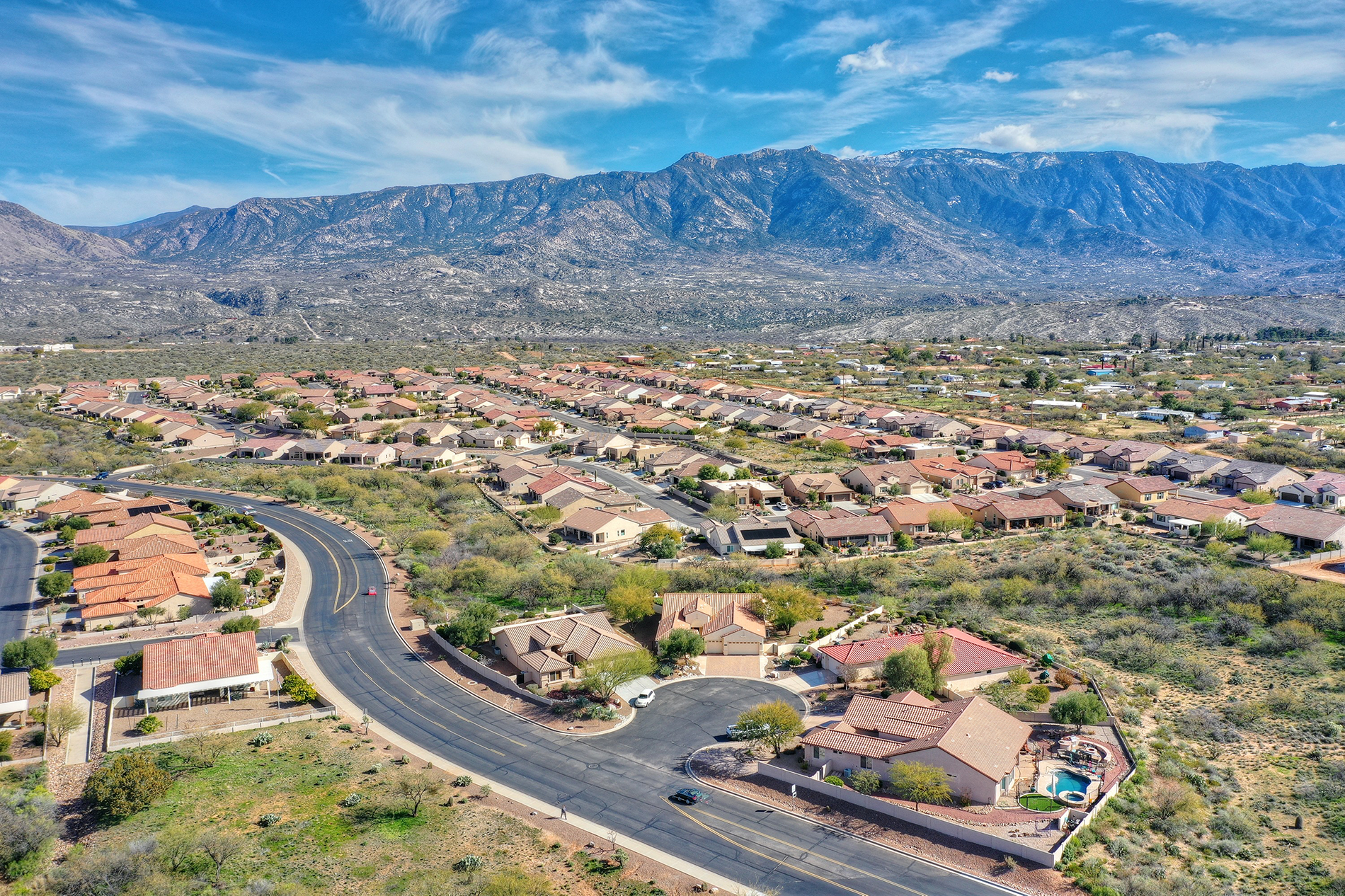
SaddleBrooke was designed around a Sonoran Desert Southwestern theme, incorporating architecture, plants, textures, and colors from the surrounding area to create a cohesive and attractive community.
The SaddleBrooke TWO Board of Directors and the Architecture & Landscaping Committee, as described in the CC&Rs, are responsible for helping preserve this community-wide design theme.
SaddleBrooke TWO was established in 1994 and includes more than 3,200 homes, with additional homes being added in the Preserve.
What the Committee Does
The ALC consists of one Board member, up to 15 SaddleBrooke TWO volunteer members, and associated staff.
Maintains Guidelines
Maintains written guidelines for landscape, hardscape, and exterior architectural modifications.
Educates Homeowners
Provides information and educational opportunities regarding ALC requirements and community standards.
Reviews Applications
Accepts homeowner applications and issues permits for modifications that comply with the guidelines.
Inspects Completed Work
Reviews completed projects to verify that improvements meet the approved plans and current guidelines.
Responds to Concerns
Follows up on architecture and landscaping complaints submitted by residents.
Coordinates Requirements
Helps homeowners identify when Pinal County approval may be required before applying for an ALC permit.
Homeowner Lot Expectations
The following are selected homeowner responsibilities and their references within the current ALC Guidelines.
Provide a focal tree or saguaro in the front yard.
Article III, Section 49.D.Visually screen air-conditioning units and external water filtration equipment.
Article II, Section 2.J.; Article III, Sections 1.C. and 52.Control weeds. Wildflowers are not permitted in front yards.
Article II, Sections 3.G., 3.H., and 5.A.1.House numbers must comply with the guidelines.
Article III, Section 23.Exterior lights must be turned off after 10 p.m.
Article III, Section 24.C.6.Maintain mailboxes and posts in good condition.
Article III, Section 26.C.Keep plants and trees neatly trimmed.
Article II, Section 5.A.2.Keep plantings from overhanging neighboring property, sidewalks, common areas, golf courses, or other areas from ground level to 8 feet.
Article II, Section 5.B.1.Keep plantings from overhanging curbs or streets from ground level to 15 feet.
Article II, Section 5.B.2.Yard art must comply with requirements for size, number, and content.
Article III, Section 55.Corner lots must remain free of visual obstructions for vehicles.
Article II, Section 3.I.Remove dead trees, including remaining stumps.
Article II, Section 5.A.1.Do not allow trash or debris to accumulate on lots or in adjoining common areas.
Article II, Section 5.A.1.Maintain buildings in good condition and keep painted surfaces adequately maintained.
Article II, Section 5.A.3.Maintain paved and concrete surfaces in good condition.
Article II, Section 5.A.5.Cover applicable lot surfaces with approved gravel or rock.
Article II, Section 3.D.; Article III, Section 20.Villas may use a focal tree or another approved focal point. This page is a summary and does not replace the complete ALC Guidelines.
Making Changes to Your Lot
Review the applicable guidelines and complete the required approval process before beginning exterior work.
- Review the Guidelines Read the applicable section of the ALC Guidelines or contact the ALC with questions.
- Prepare Your Plans Develop the design, dimensions, colors, materials, site information, and other project details.
- Select a Contractor Choose the contractor or service provider who will complete the work.
- Obtain County Approval When Required A Pinal County permit may be required for large projects, pools, casitas, additions, wider windows, or projects involving exterior electrical or gas modifications.
- Submit the ALC Application Forms are available online. Submit the application by email, preferably, or deliver it in person. No payment is due with the initial application.
- Receive the ALC Permit ALC members review the application, prepare the permit, and assess the applicable fee. The brochure identifies a $15 fee for a 90-day permit.
- Complete the Work Complete the project according to the approved application, permit, and applicable guidelines.
- Final Review ALC members review the completed project to verify that it meets the guidelines.
Major Items Covered by the ALC Guidelines
Consult the full guidelines for detailed requirements, measurements, approved materials, submission documents, and project-specific restrictions.
Planning an Exterior Project?
Review the current ALC Guidelines and submit an application before ordering materials, scheduling construction, or beginning work.
